Doubting Thomas: Encountering Faith through Doubt

Feast of St. Thomas the Apostle -- July 3

In the Gospel of John, we encounter the figure of St. Thomas the Apostle, a disciple known for his moment of doubt and subsequent VERY profound faith. Thomas’ story, particularly the passage in John 20:24-29, offers us valuable insights into the complex nature of faith and the incredible power of encountering the risen Christ.

The passage begins with the disciples joyfully sharing the news of Jesus’ resurrection with Thomas, who was not present when Jesus appeared to them. Thomas, in a moment of skepticism, declares, “Unless I see the nail marks in his hands and put my finger where the nails were, and put my hand into his side, I will not believe” (John 20:25). His doubt reveals the depth of his need for tangible evidence, a desire to encounter the resurrected Christ with his own senses.

A week later, Jesus appears to the disciples again, specifically addressing Thomas. He invites Thomas to touch his wounds, to witness the reality of the resurrection. Overwhelmed with awe and conviction, Thomas exclaims, “My Lord and my God!” (John 20:28). In this profound declaration, Thomas’ doubt gives way to a profound affirmation of faith. He recognizes Jesus not only as a teacher or a prophet but as his Lord and God in the flesh.

Thomas’ doubt is not portrayed in a negative light but rather as an essential part of his journey toward a deep and authentic faith. His doubt allows him to wrestle with his beliefs, to seek understanding and assurance. It is through this wrestling match with faith that he encounters the risen Christ in a deeply personal and life-changing way.

Thomas’ story resonates with many of us who have grappled with doubts and questions on our own faith journeys. We may find ourselves seeking tangible evidence, longing for a personal encounter with Christ that solidifies our beliefs. Thomas reminds us that doubt, when approached with humility and openness, can lead to deeper and more authentic faith.

This passage also speaks to the compassionate nature of Jesus. Despite Thomas’ doubt, Jesus does not condemn him or turn him away. Instead, Jesus meets Thomas precisely where he is, offering him the evidence he seeks and inviting him into a new and deeper relationship. Jesus’ response to Thomas’ doubt reminds us that God is patient and understanding with our own questions and uncertainties as well.

The encounter between Jesus and Thomas serves as an invitation for us to bring our doubts and questions to God. It is an invitation to seek understanding and seek Christ’s presence in our lives. Like Thomas, we can be honest about our doubts and fears, knowing that God desires to meet us in those places and transform them into stronger faith.

Thomas’ story is not just a story of doubt; it is a story of profound belief and surrender. Through his doubt, Thomas emerges with an unwavering conviction, proclaiming Jesus as his Lord and God. His encounter with the risen Christ becomes a catalyst for a transformative faith that shapes the rest of his life and ministry.

As we reflect on the life and ministry of St. Thomas the Apostle, let us embrace the valuable lessons his story teaches us. Let us remember that doubt can be a catalyst for a deeper and more authentic faith. Let us approach our doubts with humility and seek God’s presence in the midst of uncertainty. And let us respond to Christ’s invitation to encounter him personally, trusting that in that encounter, our doubts will give way to a profound and transformative faith.

May we, like Thomas, encounter the risen Christ in our doubts and declare with conviction, “My Lord and my God!”

Follow along on Instagram @renewablespiritual.
Embracing Hospitality and Generosity

I’m sure that it’s not just me. Summer comes, and I find myself regularly entertaining friends and family around the barbecue on the back deck. As a person who really loves to grill and to use my smoker, these opportunities to open my home to others are moments of joy. There is seldom a weekend when I’m not out at the smoker preparing food for some of my summer guests. But true hospitality and generosity — the generosity and hospitality that Jesus calls us to in the Gosepl goes far beyond just welcoming our near and dear friends and loved ones. The hospitality called for by our faith is a truly radical hospitality.

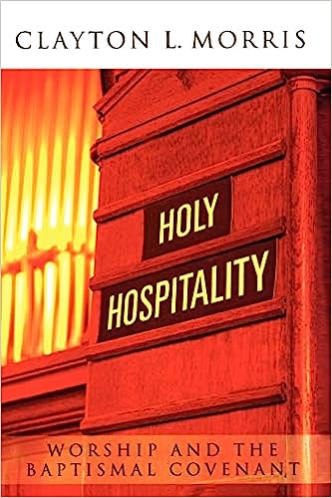
The image above is the cover of a favourite book that I would highly recommend about the sort of radical hospitality that we are called to as followers of Christ.  Pick up a copy and give it a read.  It will challenge you and your community to grow beyond simply welcoming our friends to welcoming all.

This week’s Gospel speaks to the remarkable power of hospitality and generosity. In the Gospel, Jesus sheds light on the transformative nature of welcoming others, particularly those who represent Christ’s presence in our lives. This week’s passage challenges us to examine our attitudes towards hospitality and to embrace the profound blessings that come from acts of kindness and generosity.

Jesus declares, “Whoever welcomes you welcomes me, and whoever welcomes me welcomes the one who sent me”. These words highlight the interconnectedness between the disciples, Jesus, and God. By extension, they also highlight the interconnectedness between us, as Christ’s followers in our day and Christ. When we welcome and receive others, we are, in essence, welcoming and receiving Christ. Our acts of hospitality become a tangible expression of our love and devotion to Jesus.

Furthermore, Jesus goes on to affirm the blessings that come from extending hospitality and generosity. Jesus says, “Whoever gives even a cup of cold water to one of these little ones in the name of a disciple—truly I tell you, none of these will lose their reward”. This simple act of providing a cup of cold water is symbolic of any act of kindness, no matter how small or seemingly insignificant. Jesus assures us that even the smallest acts of generosity done in Christ’s name will be rewarded.

This passage challenges us to consider our attitudes towards hospitality and generosity. Are we willing to welcome others with open arms and open hearts? Are we ready to extend acts of kindness, even in the simplest forms, to those in need? In a world that often prioritizes self-interest and individualism, Jesus invites us to embrace a different way of living—one marked by hospitality, generosity, and selfless love.

Hospitality, at its core, is about creating a space of warmth, acceptance, and belonging. It involves reaching out to others, regardless of their background, status, or appearance, and making them feel welcomed and valued. It’s easy to offer that loving space to those that we know and love, but the call on our lives is to open our doors and our hearts to extend that warmth, acceptance and belonging to all whom we meet.  It is RADICAL hospitality; HOLY HOSPITALITY, because it calls us to create this space even for those we might otherwise not choose to associate ourselves with. It is an invitation to break down the walls of isolation and build bridges of connection and friendship. In our increasingly fragmented and polarized world, the practice of hospitality becomes absolutely essential.

Generosity, on the other hand, flows from a heart that recognizes and acknowledges all the blessings we have received. It is a response to God’s abundant grace in our lives. When we recognize that everything we have is ultimately a gift from God, we become more willing to share our resources, time, and talents with others. Generosity is not limited to material possessions but extends to our willingness to listen, to offer a helping hand, and to be present for others in their time of need.

As followers of Christ, we are called to be ambassadors of hospitality and generosity. We are called to mirror Christ’s love and acceptance to those we encounter. We are called to embody the values of compassion, empathy, and selflessness.

In a practical sense, this can mean inviting others into our homes, sharing a meal together, or engaging in acts of service within our communities. It can mean offering a listening ear, a word of encouragement, or a simple act of kindness to a stranger. The opportunities for hospitality and generosity are limitless, and we are invited to be attentive to the needs around us and to respond with love and compassion.

As we reflect on the words of Jesus this week, let’s be inspired to embrace the transformative power of hospitality and generosity. May our lives be characterized by a spirit of welcome, kindness, and selfless love. And may we experience the profound blessings that come from opening our hearts and lives to others, knowing that in doing so, we are not only welcoming them but also welcoming and serving Christ.

Follow along on Instagram @renewablespiritual.

Celebrating Canada Day: A Christian Perspective on National Holidays

As Christians, we are called to navigate the tension between our identity as citizens of any particular nation and our ultimate allegiance to the kingdom of God. National holidays, such as Canada Day, provide an opportunity to reflect on how we approach and engage with these celebrations in the light of our faith. How can we honor our country while keeping our focus on God’s kingdom? How can we celebrate with gratitude and humility? In this blog post, I want to explore a Christian approach to Canada Day and other national celebrations.

  1. Gratitude for God’s Blessings: As we commemorate Canada Day, we can begin by expressing gratitude for the blessings we enjoy as residents of this land. From the natural beauty of our landscapes to the diversity of our people, Canada is a place of abundance. As Christians, we recognize that every good and perfect gift comes from God (James 1:17). Our gratitude should be directed towards the Creator who has bestowed upon us the gift of this nation.
  2. Humility in Remembering Our History: National celebrations also provide an opportunity to reflect on our country’s history. While we acknowledge and celebrate the achievements and progress, we must also humbly recognize the injustices and brokenness that have marked our past. As followers of Christ, we are called to confront the dark chapters of our history, seek truth and reconciliation, and work towards healing and justice. This includes acknowledging and lamenting the injustices committed against Indigenous peoples and marginalized communities and committing ourselves to a more inclusive and equitable society.
  3. Prayer for the Nation: On Canada Day, we can set aside time to pray for our nation, its leaders, and its people. We can pray for wisdom and discernment for our political leaders, that they may govern with justice and integrity. We can pray for reconciliation and healing in areas of division and conflict. We can also lift up in prayer the vulnerable and marginalized in our society, advocating for their rights and well-being. Let us remember that our citizenship in God’s kingdom compels us to intercede on behalf of our nation.
  4. Engaging in Acts of Service: As we celebrate our nation, let us embody the values of Christ by engaging in acts of service. We can participate in local community initiatives, volunteer our time and resources, and seek ways to make a positive impact in the lives of others. By demonstrating love, compassion, and generosity, we bear witness to the transformative power of Christ’s love in our communities.
  5. Keeping Kingdom Priorities: While national celebrations are significant, we must always keep our ultimate allegiance to God’s kingdom. Our identity as citizens of heaven (Philippians 3:20) shapes our perspectives and priorities. As we engage in national celebrations, let us remember that our primary mission is to proclaim the Gospel, demonstrate God’s love, and seek justice and righteousness in all aspects of life. Our commitment to God’s kingdom should guide our attitudes, words, and actions during national celebrations as it should every day.
  6. Embracing Diversity and Unity: Canada is known for its multiculturalism and diversity. As Christians, we are called to celebrate and embrace the beauty of diversity, recognizing that every person is made in the image of God. Let us reject discrimination, prejudice, and division, and strive to build a society where all are valued and respected. In doing so, we reflect the reconciling work of Christ and contribute to the flourishing of our nation.

As we approach Canada Day and other national celebrations, let us navigate the tension between our national identity and our commitment to God’s kingdom. May we celebrate with gratitude, humility, prayer, service, and a commitment to justice and unity. May our lives reflect the love and grace of Christ as we engage in our communities, seeking to be agents of transformation and ambassadors of God’s kingdom.

Follow along on Instagram @renewablespiritual.

The Cost and Reward of Discipleship

The Cost Of Discipleship | Living Stones Church of Houston, Inc.

In the Gospel of Matthew, Jesus calls his disciples to a life of radical commitment and unwavering devotion. He provides them with instructions and warnings, painting a vivid picture of the challenges they will face as his followers. This passage challenges us to examine our own understanding of discipleship and to consider what the cost and reward of following Jesus might be for us.

Jesus begins by reminding his disciples that they are not above their teacher and that they should expect to face opposition, just as he did. He warns them that they will encounter hostility, persecution, and even division within their own families. These words are not meant to discourage or intimidate, but rather to prepare the disciples for the realities of discipleship. Jesus’ desire is that they should enter this journey with eyes wide open, understanding the challenges they’re going to face as they bear witness to the truth.

The passage takes a striking turn as Jesus emphasizes the importance of prioritizing him above all else, even familial ties. He says, “Anyone who loves their father or mother more than me is not worthy of me; anyone who loves their son or daughter more than me is not worthy of me” (Matthew 10:37). These words may seem harsh, but they underscore the radical nature of discipleship. Jesus is not advocating for the abandonment of family, but rather highlighting the supreme allegiance that should be given to him. He desires a love that surpasses all other loves, a commitment that transcends all the other, earthly relationships.

Jesus assures his disciples that those who take up their cross and follow him will find true life. He declares, “Whoever finds their life will lose it, and whoever loses their life for my sake will find it”. This paradoxical statement challenges our conventional understanding of success and fulfillment. It invites us to surrender our own desires, ambitions, and comforts for the sake of Christ and his kingdom. In losing ourselves, we discover the richness and abundance of life that can only be found in Christ.

The passage concludes with a promise and a call to embrace Christ’s mission with courage and faith. Jesus declares, “Whoever receives you receives me, and whoever receives me receives the one who sent me”. This promise reminds us that as we faithfully follow Jesus, we carry his presence with us. When we are received and welcomed by others, it is Christ himself who is received and welcomed. We become bearers of Christ’s love, messengers of God’s grace, and ambassadors of the kingdom.

Reflecting on this passage challenges us to examine our own commitment to being a disciple. Are we willing to embrace the cost and challenges that come with following Jesus? Are we ready to prioritize Jesus and the Kingdom of God above all else, even if it means facing opposition or experiencing division in our relationships? Are we willing to lose our lives for Jesus’ sake, trusting that in doing so, we will find true life?

The journey of discipleship is not an easy one, but it is a path marked by great reward. It is a life of purpose, meaning, and intimacy with our Creator. It is a life where we discover the depth of God’s love, experience Christ’s transformative power, and participate in the redemptive work of the Kingdom in the world. As we contemplate the cost and reward of discipleship, let us turn our hearts to Jesus, seeking for God’s guidance and empowerment. Let us count the cost with humility and courage, knowing that the one who calls us is faithful and will sustain us through every trial. May we respond to Christ’s call with wholehearted devotion, trusting that in losing ourselves, we will find the abundant and eternal life that he promises.

Follow along on Instagram @renewablespiritual.

Empowered to Heal and Proclaim

Behold, I am sending you like lambs among wolves.” – St. Elizabeth Seton  Catholic Church

In the Gospel of Matthew, we find an amazing passage that speaks to our calling as disciples of Christ. Matthew 9:35-10:8 paints a vivid picture of Jesus’ compassion for the crowds, his deep desire for workers in the harvest, and his empowering commissioning of the twelve disciples. This passage not only reveals the heart of Jesus but also carries profound implications for our own lives as followers.

The passage begins with a poignant description of Jesus’ ministry: “Jesus went through all the towns and villages, teaching in their synagogues, proclaiming the good news of the kingdom, and healing every disease and sickness”. We see a Christ who is not distant or detached, but who is actively engaged in the lives of people, meeting them in their brokenness, teaching them about God’s kingdom, and bringing healing to their bodies and souls. This image sets the stage for the commissioning that follows.

As Jesus observes the crowds, he is moved with compassion, recognizing their desperate need for spiritual guidance and care. He says to his disciples, “The harvest is plentiful but the workers are few. Ask the Lord of the harvest, therefore, to send out workers into his harvest field”. Jesus recognizes the urgency of the work ahead, the vast number of people in need of the good news, and the need for more labourers to join in that mission.

In response to this need, Jesus summons his disciples and imparts to them his authority and power. He gives them the ability to heal the sick, raise the dead, cleanse those with leprosy, and drive out demons. This commissioning is not merely a task to be completed; it is an empowerment to carry on the work of Jesus, to be his hands and feet in the world. It is an invitation for the disciples—and for us—to participate in God’s mission of reconciliation, healing, and transformation.

The significance of this passage extends beyond the twelve disciples. It is an invitation to every one of us, throughout history and across cultures, to participate in the work of God’s kingdom. We, too, are called to be workers in the harvest field, carrying the message of hope and healing to a world in need.

Just as Jesus sent out his disciples, he sends us out with a similar charge: “Go!… As you go, proclaim this message: ‘The kingdom of heaven has come near.’ Heal the sick, raise the dead, cleanse those who have leprosy, drive out demons. Freely you have received; freely give”. We are called to proclaim the good news of God’s kingdom, to bring healing and restoration to those who are broken and marginalized, and to extend grace and mercy to all.

In reflecting on this passage, we are reminded of the profound privilege and responsibility we have as followers of Christ. We have been entrusted with the message of hope, the power of the Holy Spirit, and the authority to bring transformation. Just as Jesus empowered his disciples, he empowers us to be agents of healing, reconciliation, and love in our own spheres of influence.

As we embrace this calling, we must also remember that it is not our own strength that sustains us but the power of the Holy Spirit working within us. We are called to rely on God’s guidance, to seek God’s wisdom and discernment, and to depend on God’s strength as we engage in the work of the kingdom. It is in this dependence that we find the courage and resilience to persevere in the face of challenges and setbacks.

The passage from Matthew 9:35-10:8 serves as a powerful reminder of our calling as disciples of Christ. We are called to be workers in the harvest field, proclaiming the good news, bringing healing and restoration, and extending God’s love to a broken world. Let us embrace this calling with humility, boldness, and compassion, relying on the power of the Holy Spirit to guide and empower us. May we faithfully carry out the mission entrusted to us, knowing that through our obedience, God’s kingdom will continue to advance and his love will be made known.

Follow along on Instagram @renewablespiritual.
The Healing Touch of Compassion

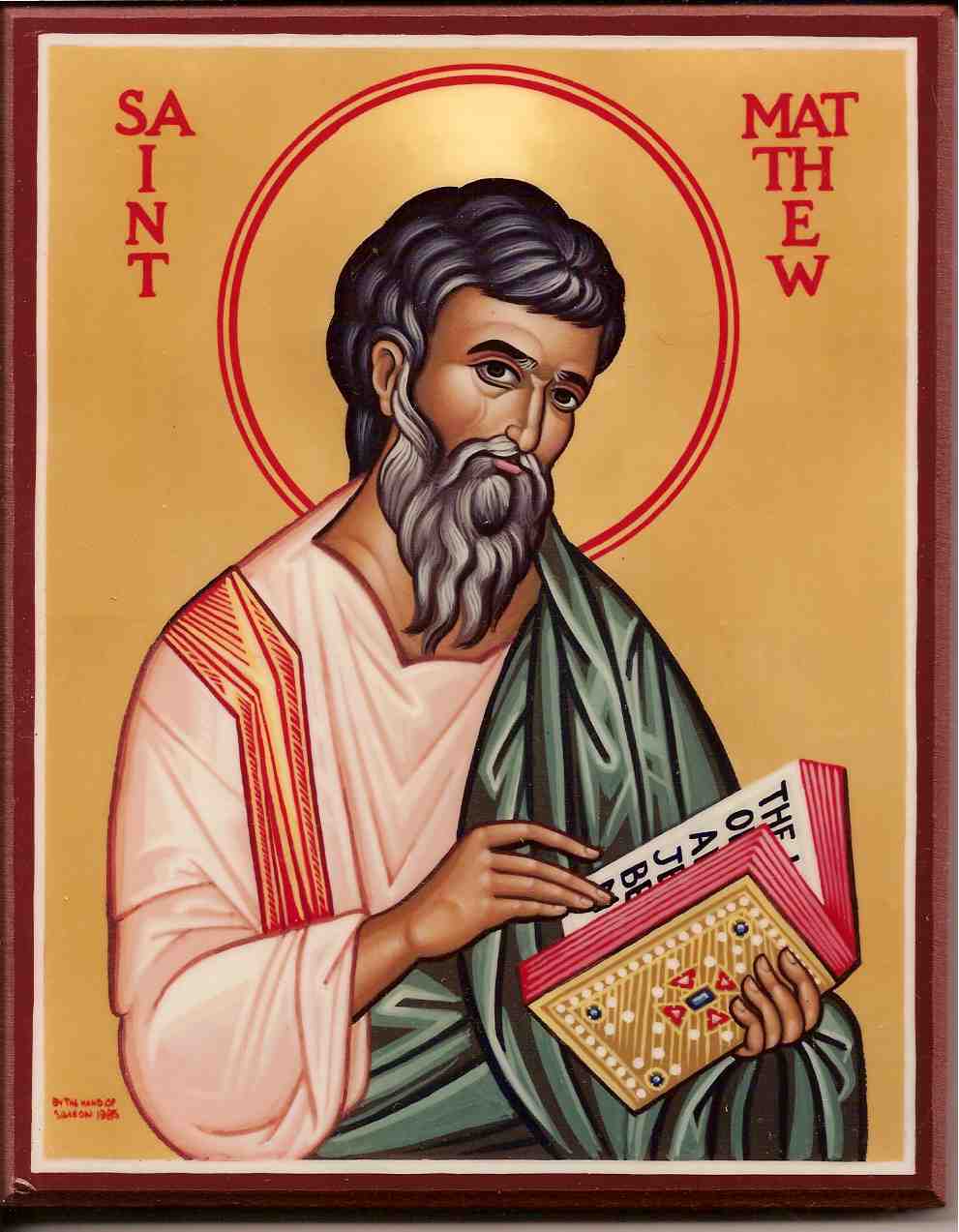
St. Matthew, Patron Saint - St. Matthews Episcopal Church

In the Gospel of Matthew, we encounter a powerful and transformative encounter between Jesus and various individuals in need of healing. In the passages of Matthew 9:9-13 and 18-26, we witness the profound impact of Jesus’ compassion and the transformative power of his touch.

In the first encounter, Jesus approaches Matthew, a tax collector, and calls him to be his disciple. Tax collectors were often despised in society, seen as collaborators with the oppressive Roman regime. Yet, Jesus looks beyond societal judgment and extends a hand of mercy and love to Matthew. With a simple invitation, Jesus transforms Matthew’s life, calling him to follow him and be part of his ministry. This encounter reminds us of the boundless grace and forgiveness that Jesus offers to all, regardless of their past or societal status.

As Jesus dines at Matthew’s house, he is confronted by the religious leaders who question his choice of company—tax collectors and sinners. In response, Jesus offers a powerful teaching: “I desire mercy, not sacrifice.” He challenges the rigid religious mindset that values outward acts of piety over genuine compassion and love for those who are marginalized or considered outcasts. Jesus reveals his mission to heal and restore, not only physically but spiritually, reaching out to those who are in need of his touch.

In the subsequent verses, we witness Jesus’ healing touch extend to a woman who had suffered from a bleeding disorder for twelve years and a ruler whose daughter had died. The woman, filled with faith, reaches out and touches Jesus’ garment, believing that she will be healed. In an instant, she is made whole, and Jesus acknowledges her faith and her healing. Similarly, when Jesus arrives at the ruler’s house, he takes the girl by the hand, and she rises from death to life. Through these miracles, Jesus demonstrates his authority over sickness, death, and all forms of brokenness.

These passages teach us profound lessons about the nature of Jesus’ ministry and the way we are called to follow him. We are reminded that Jesus is not distant or indifferent to our suffering. He is intimately involved, ready to extend his healing touch to those who come to him in faith. We see that Jesus’ compassion knows no boundaries, reaching out to the marginalized, the sinners, and those in desperate need. His healing touch brings restoration, not only in physical health but also in spiritual well-being.

As followers of Jesus, we are called to embody his compassionate ministry in our own lives. We are challenged to look beyond societal judgment and embrace the outcast, the marginalized, and the broken. We are called to be agents of healing and reconciliation, extending the touch of compassion to those who are hurting and in need. We are reminded that true righteousness is not measured by outward displays of religiosity, but by the depth of our love and mercy towards others.

Let us reflect on the encounters described in Matthew 9:9-13 and 18-26 and consider the ways in which we can emulate Jesus’ compassion in our daily lives. May we be open to the transforming power of Jesus’ touch, both in our own lives and in the lives of those around us. May we be instruments of healing, extending love, mercy, and hope to a world in need.

In doing so, we become living testimonies to the transformative power of Jesus’ touch, drawing others into the embrace of his love and bringing healing and restoration to a broken world.

May we be inspired by the compassion of Jesus and empowered by the Holy Spirit to walk in his footsteps, extending his healing touch to all we encounter.

Amen.

Follow along on Instagram @renewablespiritual.
The Feast of the Holy Trinity: Embracing the Mystery of God’s Nature

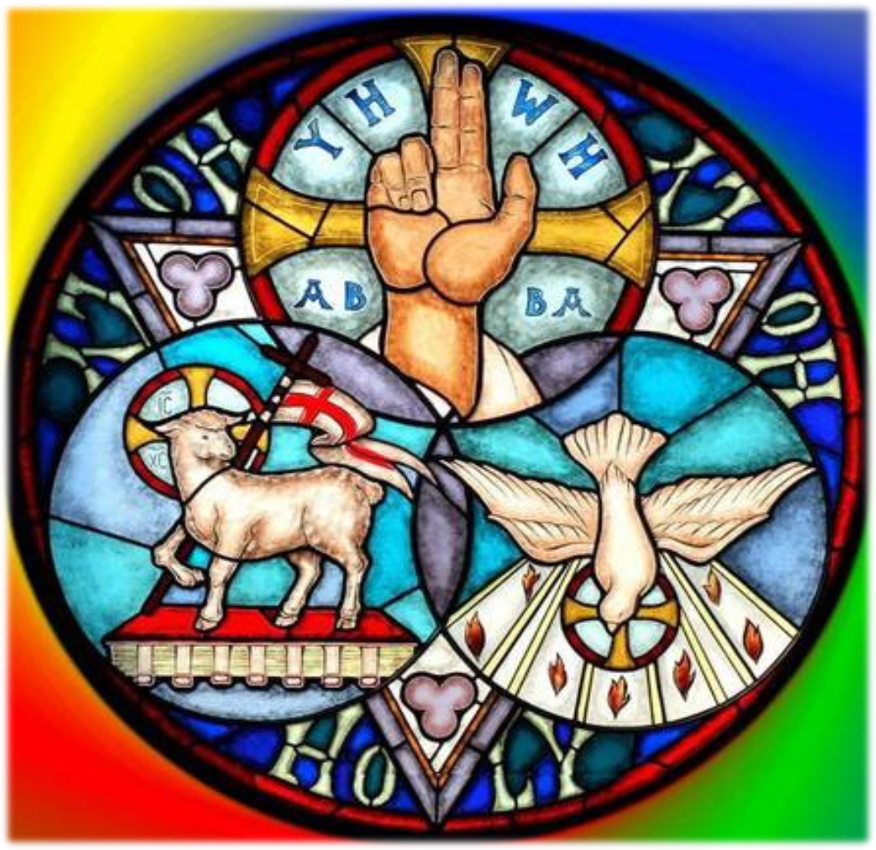
The Feast of the Holy Trinity is a profound celebration that invites us to contemplate the mysterious nature of God. It is a time to reflect on the doctrine of the Trinity, which affirms that God is one being in three persons: Father, Son, and Holy Spirit. This feast offers us an opportunity to deepen our understanding and appreciation of God’s divine nature and the relationship among the three persons of the Trinity.

The concept of the Trinity can be challenging to comprehend fully. How can God be both one and three? How do we make sense of the relationship between the Father, Son, and Holy Spirit? While these questions may remain mysterious and beyond our complete understanding, the Feast of the Holy Trinity encourages us to embrace the mystery and engage in a journey of faith and exploration.

In contemplating the Trinity, we are reminded of the boundless love that exists within God’s nature. The Father, the Creator of all things, eternally loves the Son, who is the Word made flesh and our Redeemer. The Holy Spirit, the giver of life and the guide of our hearts, proceeds from the Father and the Son, enveloping us with divine love and grace. The Trinity reveals a community of love, unity, and perfect harmony.

As we ponder the mystery of the Trinity, we also recognize its implications for our own lives and relationships. We are called to reflect the love and unity of the Trinity in our interactions with others. Just as the Father, Son, and Holy Spirit exist in perfect communion, we are invited to foster relationships built on love, respect, and mutual support. Our relationships should be characterized by selflessness, forgiveness, and a genuine desire to see others thrive and flourish.

Moreover, the doctrine of the Trinity invites us into a deeper understanding of our own identity as children of God. We are created in the image of a Triune God, designed for relationship and community. Our unity with God and with one another is rooted in the love that flows within the Trinity itself. We are called to embrace our interconnectedness and to extend love, compassion, and grace to all people, recognizing the inherent dignity and worth of every individual.

The Feast of the Holy Trinity also reminds us of the importance of balance in our spiritual lives. We recognize the roles of each person of the Trinity: the Father as Creator and Sustainer, the Son as Savior and Redeemer, and the Holy Spirit as Comforter and Guide. We seek a harmonious relationship with each person of the Trinity, knowing that our faith is not complete if we neglect any aspect of God’s nature.

In celebrating the Feast of the Holy Trinity, we are called to embrace the mystery, awe, and wonder of God’s divine nature. It is an invitation to deepen our relationship with the Triune God and to grow in love and unity within our communities. Let us approach this feast with humility, recognizing the limits of our understanding, and allowing the mystery of the Trinity to inspire and shape our faith journey.

May the celebration of the Holy Trinity draw us into a closer relationship with God, and may we reflect the love, unity, and grace of the Trinity in our lives, shining as witnesses of God’s eternal and boundless love to the world.

Follow along on Instagram @renewablespiritual.

Celebrating Love: Love for God and Love for Neighbour during Pride Month

May be an image of text that says 'THIS PASTOR LOVES YOU! BUT MORE IMPORTANTLY... GOD LOVES YOU AND ALWAYS HAS AND ALWAYS WILL NO MATTER WHAT YOU MAY HAVE HEARD OR BEEN TAUGHT.'

As Pride Month unfolds, we are reminded of the diversity of human experience and the importance of embracing love and acceptance for all individuals, regardless of their sexual orientation or gender identity. It is a time when the LGBTQ+ community and its allies come together to celebrate love, equality, and the right to be true to oneself.

As Christians, we are called to reflect on the core tenets of our faith—love for God and love for neighbour. These two commandments, as Jesus taught us, are intertwined and inseparable. In embracing them, we are invited to engage in a deeper understanding of how we can love and support our LGBTQ+ neighbours, affirming their inherent worth and dignity.

First and foremost, love for God calls us to recognize and celebrate the inherent diversity within creation. God, in God’s infinite wisdom, created us in all our unique and beautiful expressions of identity. Our sexual orientation and gender identity are facets of the rich tapestry of human experience, reflecting the immeasurable creativity of our Creator. By embracing and affirming this diversity, we honour and love the God who made us all.

Love for neighbour compels us to extend empathy, compassion, and acceptance to all individuals, including those in the LGBTQ+ community. It means acknowledging and celebrating their full humanity, treating them with respect, and affirming their rights to love, happiness, and self-expression. It is an opportunity to stand alongside our LGBTQ+ brothers, sisters, and siblings, supporting their journey towards self-acceptance and offering a safe and welcoming space for them to be their authentic selves.

Embracing love for God and love for neighbour also requires us to confront our own biases, prejudices, and misconceptions. It demands that we examine our theology and interpretations of Scripture with humility and openness. While there are diverse perspectives within the Christian community regarding same-sex relationships, we are called to approach these conversations with grace, seeking understanding and unity in the midst of our differences. It is a time for us to listen deeply, learn from one another, and engage in dialogue that is rooted in love, rather than judgment or exclusion.

Pride Month serves as an invitation for us to actively engage in acts of love and advocacy. We can support LGBTQ+ individuals and organizations through volunteering, financial contributions, and by being vocal allies. We can educate ourselves about the unique challenges faced by the LGBTQ+ community and work towards creating inclusive and affirming spaces within our churches, communities, and families. It is an opportunity to stand against discrimination, hate, and injustice, championing equality and the rights of all individuals to live their lives authentically and with dignity.

In celebrating love during Pride Month, let us remember the words of Jesus: “A new command I give you: Love one another. As I have loved you, so you must love one another” (John 13:34). May our love for God and our love for neighbour transcend boundaries, embrace diversity, and reflect the transformative power of Christ’s love in our lives.

As we engage in conversations and actions during Pride Month, let us do so with open hearts, seeking unity and understanding. May we be beacons of love and acceptance, reflecting the inclusive and embracing nature of our faith. Together, let us celebrate love in all its forms, recognizing that in doing so, we embody the essence of Christ’s teachings and work towards a more compassionate and just world.

May God’s love guide and inspire us during Pride Month and beyond, as we continue to grow in love for God and love for our LGBTQ+ neighbours.

Amen.

Follow along on Instagram @renewablespiritual.
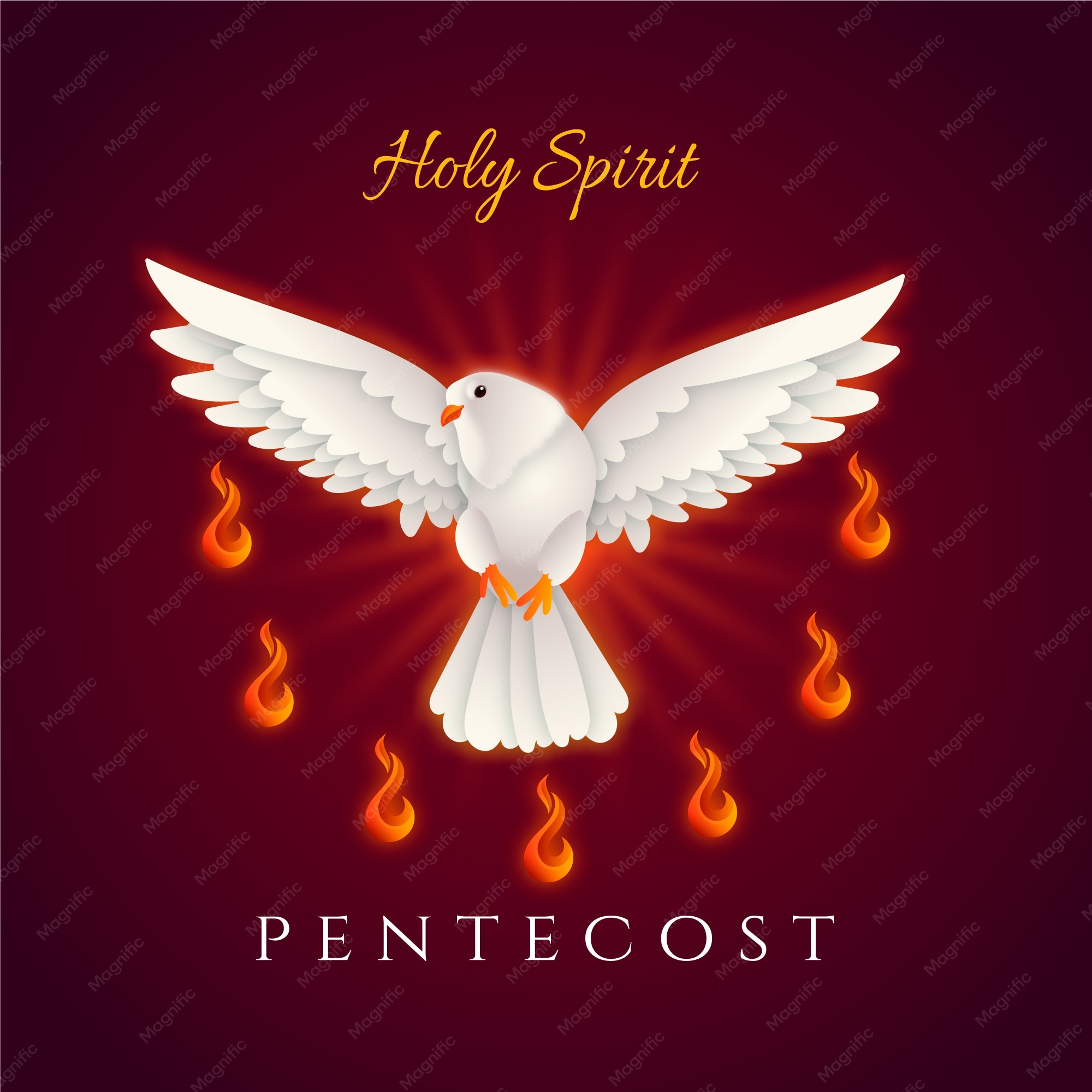
The Feast of Pentecost: Empowered by the Holy Spirit

Holy Spirit Images - Free Download on Freepik

The Feast of Pentecost is a joyous and significant celebration in the Christian calendar. It commemorates the outpouring of the Holy Spirit upon the early disciples, marking the birth of the Church and empowering believers to carry out the mission of Christ in the world. This feast holds deep spiritual significance, reminding us of the transformative power of the Holy Spirit in our lives and the call to be witnesses of God’s love and truth.

Shavuot – Nazarene Israel

The origins of Pentecost can be traced back to the Jewish festival of Shavuot, which celebrated the giving of the Law to Moses on Mount Sinai. It was during this festival, fifty days after Passover, that the Holy Spirit descended upon the disciples gathered in Jerusalem. The sound of a rushing wind filled the place, and tongues of fire appeared above each person’s head. They were filled with the Holy Spirit and began to speak in different languages, proclaiming the mighty works of God.

The events of Pentecost have profound implications for our faith. First and foremost, it represents the fulfillment of Jesus’ promise to send the Holy Spirit as a guide, comforter, and empowerer. The Holy Spirit is the third person of the Trinity — fully God — and is present and active in the lives of believers. Through this Holy Spirit, we are connected to God, receiving guidance, wisdom, and power to live out the teachings of Jesus.

Pentecost also highlights the unity and diversity of the Church. The disciples, who came from different backgrounds and spoke different languages, were united by the power of the Holy Spirit. The gift of speaking in tongues (Glossolalia) symbolizes the Church’s universal mission to proclaim the good news of Jesus Christ to all nations and peoples. It reminds us that the message of God’s love will not be limited by language or cultural boundaries but has the power to transcend all such human divisions.

Pentecost serves as a catalyst for mission and evangelism. The disciples, filled with the Holy Spirit, boldly proclaimed the gospel message to those gathered in Jerusalem, and about three thousand people responded by accepting Christ and being baptized. This event marks the birth of the early Christian community and the beginning of its mission to bring Good news to all people. The Holy Spirit equips and empowers us to share the love and truth of Christ with others, making disciples of all nations.

Pentecost Resources – hope4ce

As we celebrate the Feast of Pentecost, we are invited to reflect on the transformative power of the Holy Spirit in our own lives. It is an opportunity to surrender ourselves to the work of the Spirit, allowing Her to guide and empower us to live in accordance with God’s will. The Holy Spirit convicts us of sin, comforts us in times of difficulty, and empowers us to live as witnesses of Christ’s love and truth in all the places that we go.

Let us embrace the Spirit’s work in our lives, seeking Her guidance, wisdom, and empowerment. Let us be open to Her transformative presence, allowing Her to shape our character, renew our minds, and empower us to live in a manner that reflects the love and grace of Jesus. And may we be bold in sharing the good news of salvation with those around us, trusting that the Holy Spirit will work through us to touch hearts and bring others into a relationship with God.

On this Feast of Pentecost, may our hearts be open to the power and presence of the Holy Spirit. Let us be filled with gratitude for Her transformative work in our lives, and may we be inspired to live as faithful and empowered witnesses of God’s love in the world.

Veni Sancti Spiritus!

The Feast of the Ascension: A Celebration of Christ’s Triumph

The Feast of the Ascension is a significant event in the Christian calendar, marking the ascension of Jesus Christ into heaven. It is a day of celebration and reflection, as we commemorate the moment when Jesus, in his resurrected body, ascended from earth to be reunited with God. This feast holds deep theological meaning and reminds us of the triumph of Jesus” mission and the promise of Christ’s return.

The story of the Ascension is recorded in the New Testament, specifically in the books of Luke and Acts. After his resurrection, Jesus appeared to his disciples, teaching them and preparing them for their future mission. On the fortieth day after Easter, while in the presence of his followers, Jesus led them to the Mount of Olives. There, he blessed them and ascended into heaven, disappearing from their sight as they watched in awe.

The Feast of the Ascension holds several profound implications for our faith. First and foremost, it affirms Jesus’ divinity and eternal nature. The ascension into heaven reveals Christ’s unity with God and role as God’s only begotten. It serves as a reminder of Jesus’ completed mission on earth, fulfilling the purpose of reconciliation.

Secondly, the Ascension highlights the ongoing presence of Christ within the world and particularly within the Church. Although Jesus physically ascended into heaven, the assurance given at the ascension to all those who would be disciples is the sending of the Holy Spirit to guide and empower them. This promise was fulfilled on the Day of Pentecost, which we commemorate ten days after the Ascension. Through the Holy Spirit, Jesus continues to be present with us, guiding, comforting, and empowering us to live out Christ’s teachings and extend Jesus’ love to the world.

Moreover, the Feast of the Ascension invites us to ponder the eschatological hope it represents. As we celebrate Christ’s triumphant return to the heavenly realm, we are reminded of the promise of Jesus to come again. Just as the disciples looked up to the heavens after the ascension, we too eagerly await the fulfillment of the Kingdom on earth.

In celebrating the Feast of the Ascension, we are called to reflect on the implications of Christ’s ascension in OUR lives. It encourages us to trust in Christ’s ongoing presence, to draw strength from the Holy Spirit, and to live as witnesses of God’s incredible love and truth as demonstrated in the life of Christ. Furthermore, it reminds us to anticipate with hope and readiness the time when all things will be made new.

May be an image of 3 people and text that says 'oH, AND ONE LAST THING... REMEMBER THAT 40 DAYS ALWAYS FALLS ON A THURSDAY, NOT SUNDAY'

As we commemorate the Feast of the Ascension, let us be filled with gratitude for the salvation given us through Christ’s life, death, and resurrection. Let us embrace the mission that has been entrusted to us as disciples and be inspired by Christ’s example of sacrificial love. And may we live each day in anticipation of a renewed world.

On this Feast of the Ascension, may our hearts be lifted up in praise and adoration, as we honour the triumph of Christ and as we anticipate the fulfillment of the Kingdom in Jesus’ ongoing mission accomplished in and through our lives and ministries.

Follow along on Instagram @renewablespiritual.