From my very earliest memories, this has been a time of year that was truly centred in the kitchen. All through the month of December, my mom would be baking and preparing things for entertaining friends, and for events for the church. I try to do the same traditional recipes every December, even though I shouldn’t eat those sweets, and I don’t do nearly the entertaining that my mom did. But as a result of those evenings spent in the kitchen, I’ve had a lot of time to reflect on the ministry of baking.
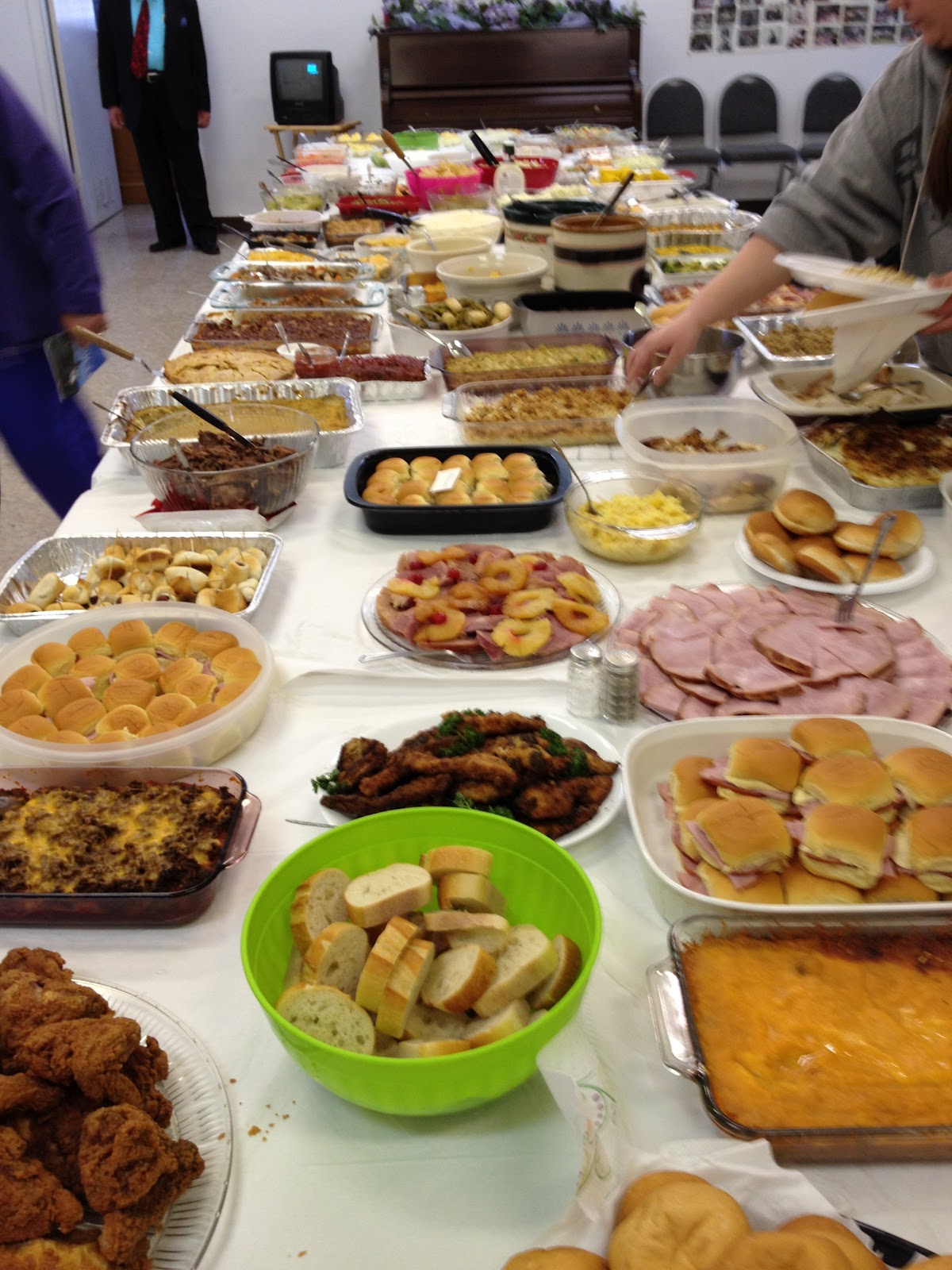
There are few things that reveal the spiritual condition of a parish more clearly than the potluck sign-up sheet taped to the parish hall window. You can tell who the optimists are—those who sign up for “Dessert” with a flourish, as if chocolate squares alone might usher in the reign of God. You can also spot the realists: the ones who quietly write “Caesar salad,” knowing full well they’ll pick one up at the grocery store while still wearing their choir cassock.
And then, of course, there are the competitive casserole artisans — the saints who treat every potluck as though it were the Great Anglican Bake-Off. They sweep into the hall bearing their creations like medieval relics: the tuna casserole topped with precisely aligned cheddar triangles; the lasagna layered with such architectural integrity that one suspects a retired engineer has been at work. These parishioners never say they “made” something. They crafted it. They “prayed over it.” They “let it rest,” as if it were a spiritual retreatant at the Diocesan Retreat Centre.
I once watched a parishioner place her macaroni-and-cheese on the table with the quiet solemnity of a high-church procession. She bowed slightly — as did two others who followed her with shepherd’s pie and an ambitious quinoa salad no one quite trusted. Somewhere deep within this holy casserole convergence lies the Anglican doctrine of “things done decently and in order,” though admittedly “order” becomes more theoretical than practical when the kids reaches the table first.
What fascinates me most is that despite the gentle competition, despite the whispered boasts (“It’s my grandmother’s recipe — you know, the one I won’t share”), something holy happens. People gather. They sit down together. They find themselves receiving grace ladle by ladle, spoonful by spoonful. It turns out that the Kingdom of God looks suspiciously like a long folding table covered in mismatched slow cookers.
The Great Anglican Bake-Off, in its own way, rehearses the Eucharist: we bring what we have, however humble or over-spiced, and discover that in community it becomes more than the sum of its parts. God’s abundance has a delightful habit of bubbling up right where our casseroles meet.
And on the rare occasion when someone forgets to take their leftovers home, even the raccoons go away blessed.
A Companion Prayer
Gracious God,
You who fed multitudes with loaves and fishes,
bless the hands that stir, mix, chop, and season
in the service of fellowship.
Teach us that every casserole shared,
every pie offered, every store-bought salad bravely placed on the table,
is a sign of your generous heart.
Make our gatherings places of laughter, warmth,
and the holy companionship that nourishes body and soul.
In Jesus’ name, the Bread of Life, we pray. Amen.